
Exploring the fascinating evolution of casino culture throughout history
The Origins of Gambling and Early Casinos
The history of gambling dates back thousands of years, with evidence found in ancient civilizations like China, Egypt, and Rome. Dice games and betting on various forms of competition were prevalent, illustrating the innate human desire for risk and reward. The first recorded form of gambling can be traced to China around 2300 BCE, where rudimentary games of chance were played using simple materials. Today, innovative platforms like https://monacojack-official.com/ highlight how the gambling culture has evolved in the digital age.

In the Roman Empire, gambling was integrated into the culture, with activities like betting on gladiatorial games and chariot races. Such practices demonstrated a social acceptance of gambling, leading to the establishment of venues dedicated to these activities. This paved the way for the concept of casinos, although they were not formalized until much later in history.
The Middle Ages saw gambling evolve with the rise of card games, which were brought to Europe through trade routes. This transition marked a shift in gambling culture, making it more sophisticated and diverse. By the 17th century, the first official gambling houses appeared in Italy, setting the stage for modern casino establishments and establishing gambling as a prominent social activity.
The Golden Age of Casinos
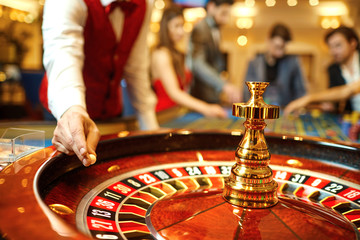
The 18th century marked a significant turning point for casino culture, especially in Europe. The establishment of the first casino, the Casino di Venezia in Italy, signaled a new era where gambling could be enjoyed in lavish settings, attracting the elite. This period saw casinos become hubs of social interaction, where gaming and entertainment coalesced, leading to the creation of the iconic roulette wheel.
As casinos flourished, they began to adopt more structured regulations, ensuring fair play and the protection of gamblers. This marked the beginning of legal frameworks around gambling, which have evolved over centuries. The French Revolution, while tumultuous, also contributed to the growth of casinos, as many aristocrats sought refuge in these establishments to escape the upheaval.
By the late 19th century, casino culture expanded to include luxury accommodations and fine dining, transforming them into comprehensive entertainment venues. This change solidified the casino’s place in society, establishing it not just as a place for gambling but as a center for cultural and social experiences. This era set the stage for the modern casino landscape we recognize today.
The Rise of American Casinos
As the 20th century unfolded, the United States became a major player in the global casino scene. The first legal casino in America opened in 1931 in Nevada, marking a pivotal moment in the gambling industry. The Las Vegas Strip quickly evolved into a world-renowned destination, drawing millions of tourists eager to experience the vibrant atmosphere, luxurious resorts, and of course, gaming.
The post-World War II era saw a boom in the casino industry, with states like New Jersey legalizing gambling in Atlantic City in 1976. This led to a new wave of casinos that catered not only to local players but also to international tourists. The expansion of gambling licenses illustrated a growing acceptance of casinos, establishing them as essential components of the entertainment landscape.
However, this rapid growth also led to concerns over gambling addiction and the socioeconomic effects of casinos. In response, many states implemented regulations aimed at responsible gaming practices. Despite these challenges, the allure of casinos continued to captivate audiences, illustrating both the potential for economic benefit and the complexities of gambling culture in America.
The Digital Revolution in Casino Culture
The advent of the internet in the late 20th century introduced a new dimension to casino culture. Online casinos began to emerge in the mid-1990s, allowing players to enjoy games from the comfort of their homes. This digital transformation made gambling more accessible, breaking down geographical barriers and attracting a new demographic of players.
With the rise of mobile technology, online casinos have evolved further, providing seamless gaming experiences on smartphones and tablets. This shift has resulted in an explosion of gaming options, from traditional table games to innovative slot machines and live dealer experiences. Today, players can engage with dynamic platforms that offer unique bonuses and promotions, such as generous welcome bonuses and free spins.
The digital landscape has also prioritized security and convenience, with trusted banking options like e-wallets and cryptocurrencies gaining traction. As online casinos continue to innovate, they are reshaping the future of gambling, blending traditional casino culture with modern technology to create an immersive experience for players worldwide.
Monaco Jack: A Modern Casino Experience
Monaco Jack is an exemplary manifestation of the modern online casino, blending traditional gaming experiences with cutting-edge technology. With a wide array of games, from slot machines to live dealer experiences, it caters to both seasoned gamblers and newcomers. The platform’s user-friendly interface and engaging graphics create an immersive environment that mirrors the excitement of a physical casino.
New users are welcomed with attractive bonuses, including a generous welcome package and free spins, providing a robust introduction to the gaming world. This strategy not only enhances player experience but also encourages exploration of various games, reinforcing the community aspect of casino culture.
Monaco Jack prioritizes player security, offering trusted banking options that ensure safe transactions. As online gaming continues to evolve, Monaco Jack stands out as a leader in creating a thrilling and secure environment for players to enjoy their favorite casino games, illustrating the dynamic nature of casino culture in the digital age.